The Story Behind #YouAreNotAlone
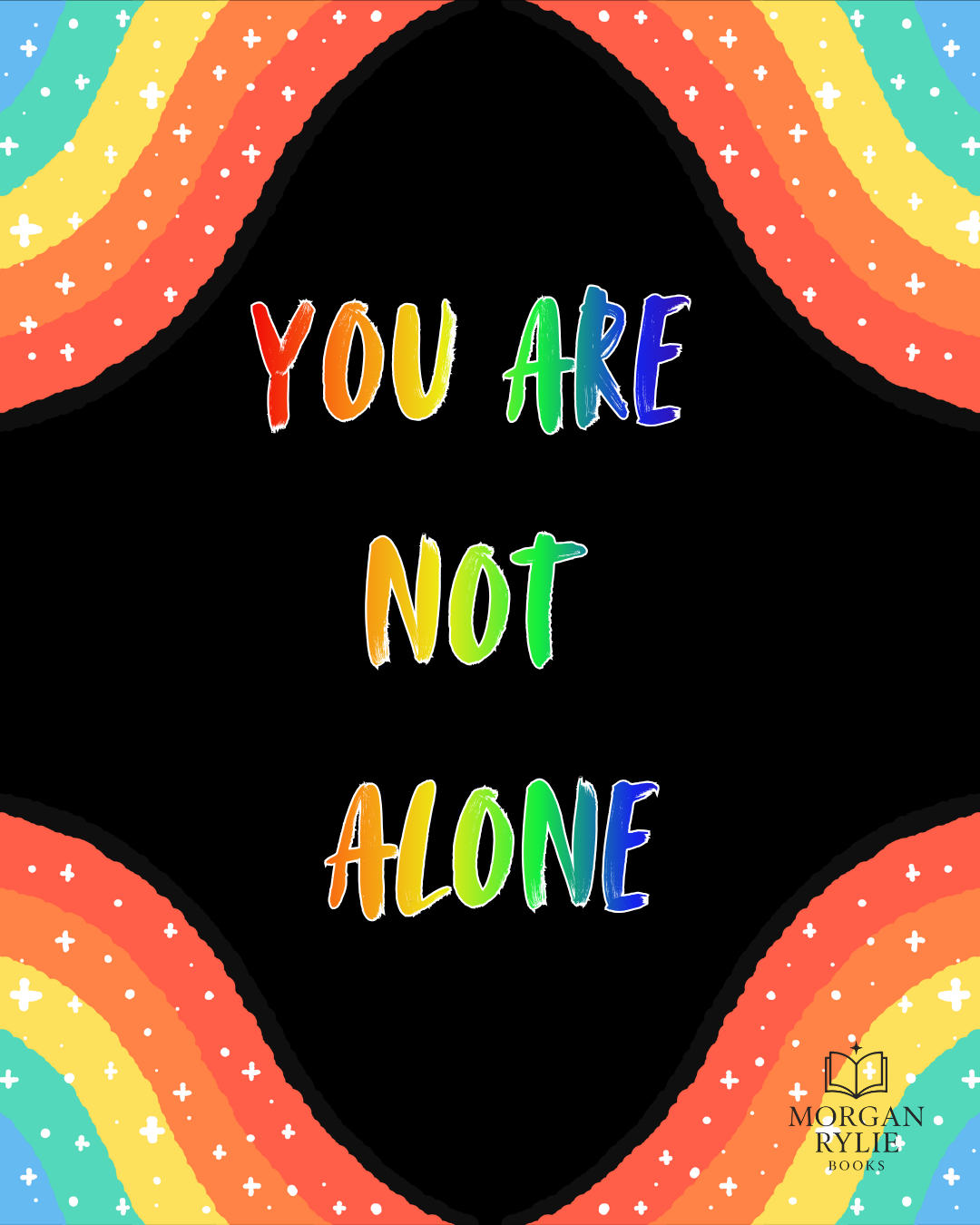
If you’ve followed me for any length of time, you’ve probably seen me use the hashtag #YouAreNotAlone.
It’s on my social media posts. It’s connected to my books. It’s become part of my author identity.
But it didn’t start as a marketing slogan.
It started because I needed someone to tell me those words.
For most of my life, I’ve been drawn to stories about the people who are struggling. The people who feel broken. The people who are carrying burdens they don’t think anyone else understands.
Maybe that’s because I’ve been one of those people.
When I was thirteen, I lost someone who meant the world to me. Chad’s death changed my life in ways I’m still discovering decades later. It taught me how quickly life can change. It taught me what grief feels like. It taught me that sometimes the world keeps moving when you desperately want it to stop. And for a long time, I felt alone in that grief.
As I got older, I realized grief wasn’t the only thing people felt alone in.
- Mental illness.
- Self-harm.
- Abuse.
- Addiction.
- Depression.
- Anxiety.
- Trauma.
- Questions about identity.
- The feeling that everyone else has life figured out while you’re barely holding yourself together
The more people I met, the more I realized how many of us were carrying things we never talked about.
We were suffering quietly. Smiling when we needed to. Pretending we were okay when we weren’t. Convinced nobody would understand. Or even really care.
That’s why I started writing the kinds of books I write. Why personal growth stories are so important.
Books like Self Inflicted. Books like Scars Fade. Books like Summer Love, Autumn Goodbye.
The topics aren’t easy. Sometimes they’re heartbreaking. Sometimes they’re uncomfortable. Sometimes readers ask me why I choose such difficult subjects.
The answer is simple.
Because those stories matter. Because the people living those experiences matter. Because when I was younger, I needed stories that reminded me I wasn’t the only one struggling.
I needed characters who made mistakes. Characters who weren’t magically fixed. Characters who survived.
I needed someone to tell me I wasn’t alone.
And if I needed that, I figured someone else probably did too.
That’s where #YouAreNotAlone came from.
Not from a marketing meeting. Not from a branding strategy.
From a belief. A belief that stories can help. A belief that books can make people feel seen. A belief that sometimes the right story finds the right reader at exactly the right time.
I can’t fix someone’s problems with a book. I can’t take away grief. I can’t cure depression. I can’t erase trauma.
But maybe I can help someone feel understood for a few hundred pages. Maybe I can help them realize that someone else has survived what they’re facing. Maybe I can help them feel a little less isolated.
And sometimes, that’s enough to matter.
Over the years, readers have reached out to tell me that one of my books helped them through a difficult time. They’ve shared stories of their own struggles. They’ve thanked me for writing about topics that many people avoid.
Those messages mean more to me than any sales number ever could.
Because at the end of the day, that’s why I write.
Not for rankings. Not for awards. Not for bestseller lists.
I write for the reader who feels alone. The reader who is struggling. The reader who needs hope.
The reader who needs someone to say:
- “I see you.”
- “Your story matters.”
- “You can get through this.”
- “You are not alone.”
That’s the story behind #YouAreNotAlone.
And it’s a message I’ll keep writing for as long as there are stories left to tell.
You May Also Like

Sunday Recap: Apparently, It Was a Productive Week
Weekly Recap: Editing, Tech Week, and a Dungeon Crawler